Why water efficiency must be central to the future of social housing.
 Across the UK housing sector, sustainability targets are becoming increasingly ambitious. Through ongoing collaboration with housing providers, contractors and specifiers, Bristan Group is seeing water efficiency emerge as a growing priority alongside energy performance in the delivery of resilient, affordable and future-ready homes.
For housing providers the challenge is no longer simply meeting compliance standards. It is about balancing environmental responsibility with rising operational costs, ageing infrastructure and changing resident expectations.
Water consumption in residential buildings continues to place pressure on both utilities and household budgets. According to the Energy Saving Trust, inefficient water use can also increase energy demand, particularly where hot water systems are involved. As a result, improving water efficiency delivers benefits that extend beyond conservation alone.
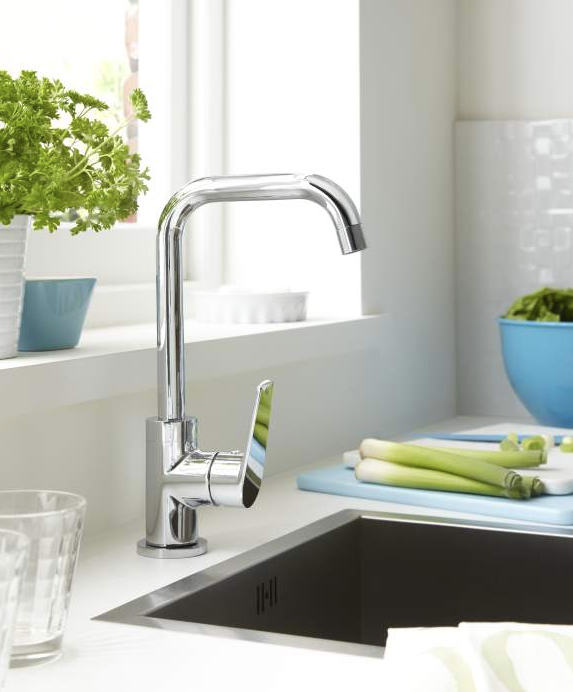
One of the most effective approaches is embedding water-saving principles early in specification and refurbishment planning. Small design decisions can have a significant cumulative impact across large housing portfolios. Products such as regulated flow showers, water and energy efficient taps and dual-flush systems can help reduce unnecessary consumption without compromising user comfort or accessibility.
As the sector continues to balance sustainability goals with practical maintenance considerations, product specification is becoming increasingly important in long-term housing performance. Louise Smith, Specification Sales Manager at Bristan Group, comments:
“Water saving solutions are no longer viewed as optional enhancements – they are becoming an essential part of future ready housing design. Across the sector, we are seeing growing demand for products that help reduce water consumption while still delivering reliability, accessibility and a positive resident experience. Our focus is increasingly on providing solutions that support both sustainability targets and long-term value for housing providers.”
 However, successful implementation relies on more than product selection alone. Housing providers are increasingly recognising the importance of designing systems around long term usability, maintenance and resident experience. Poorly considered solutions may meet technical requirements but create unintended frustrations for occupants or increasing future maintenance demands.
This is particularly relevant as the sector accelerates retrofit activity to support net zero goals. Many existing housing stock profiles present unique challenges, including outdated plumbing infrastructure, varying pressure conditions and differing resident needs. In these environments, reliability and ease of installation become just as important as efficiency performance.
Technology also continues to shape the future of water management within buildings. Smart monitoring systems, leak detection technologies and connected controls are becoming more accessible across both new-build and refurbishment projects. These innovations can help housing providers identify waste earlier, reduce repair costs and support data led asset management strategies.
Alongside technological advancement, resident education remains essential. Even highly efficient systems achieve limited impact if residents do not understand how to use them effectively. Clear communication around water saving behaviours and system functionality can support better long-term outcomes.
Importantly, water efficiency should not be viewed solely through an environmental lens. There is a strong social value argument. Lower water and energy usage can contribute to reduced household costs at a time when affordability remains a major concern for many residents. In this way, sustainable design decisions can directly support resident well-being.
As regulations evolves and sustainability expectations increase, the affordable housing sector will need to take a more holistic view of building performance. Water efficiency is no longer a secondary consideration – it is becoming an essential component of resilient housing design and asset management.
For organisations across the built environment, the opportunity lies in creating solutions that combine sustainability, practicality and positive resident experience. Those that succeed will be better positioned to meet both environmental targets and the changing needs of communities in the years ahead.
This article was contributed by Bristan Group, a supplier of brassware and showering for the UK built environment sector.